

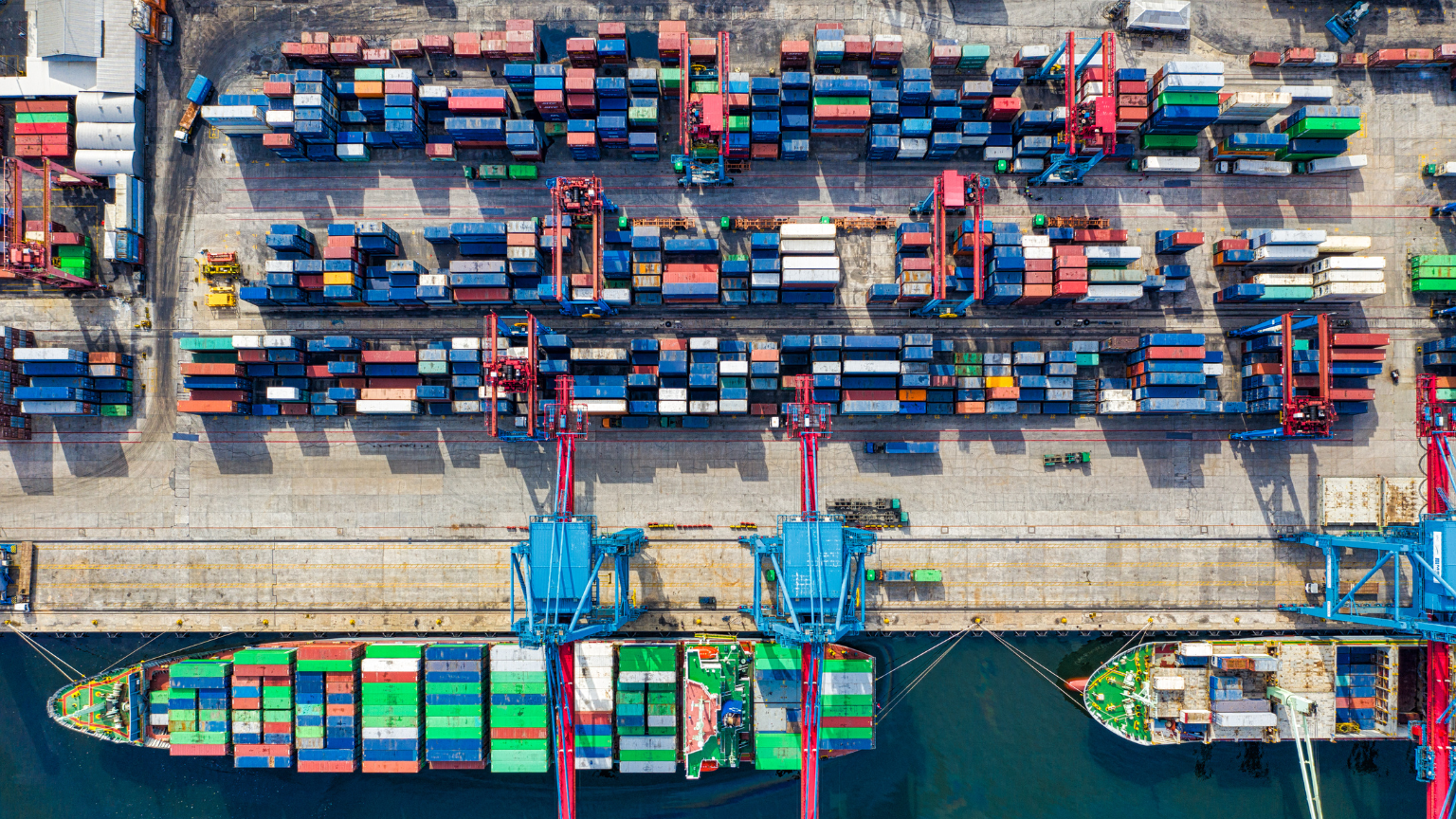
Persistent congestion at the Maasvlakte in 2025 has led to a forced shift in modalities. While the sector has focused on the efficiency of inland shipping for years, digital freight forwarder Shypple saw 70% of volumes shift to road transport this year. This forced deployment of road transport resulted in an explosive rise in operational costs for importers: in specific cases, waiting costs amounted to more than 50% of the base transport tariff.
An analysis by Shypple of the logistics year 2025 shows that the congestion, which led to four-kilometer tailbacks and waiting times of six to seven hours for drivers, has turned the last mile into a financial bottleneck.
Waiting costs exceed margins The impact of the congestion is visible in the ratio between freight rates and additional surcharges. While demurrage and detention are the most visible cost items, direct waiting costs at the terminal create the greatest pressure on the supply chain in practice.
Operational data reveals stark outliers:
“When a trip suddenly becomes tens of percentages more expensive, it inevitably causes friction. We are standing in that traffic jam ourselves. It is important to realize: no one wins here at the bottom line. These costs are not profit for us, but pure damage to the entire chain. Conveying that message is a daily balancing act.”
Peak Season Surcharges miss the mark Shypple concludes that the Peak Season Surcharges (PSS) implemented by terminals and shipping lines are missing their mark. Although these surcharges are intended to regulate volumes, in practice they do not lead to the desired spread. The current tariff structure proves insufficient to force the market towards alternatives such as night distribution.
As long as the extra costs for night transport do not outweigh the costs of daily congestion, the operational preference for day slots remains unchanged. “The financial pain is apparently not yet great enough to pry loose entrenched patterns.”
Dichotomy in 2026: Speed vs. Price Has the market learned from 2025? Shypple sees a split emerging:
Given the ongoing uncertainty surrounding the Suez Canal, that wait-and-see approach is risky. The lesson of 2025 is that waiting for better times is not a strategy. Companies that fail to adapt their planning through new routes or night slots will simply find themselves at the back of the queue in 2026.
Source: https://www.shypple.com/
Please visit the Shipple website for further information.